

Introduction: What exactly is Tahhiini?
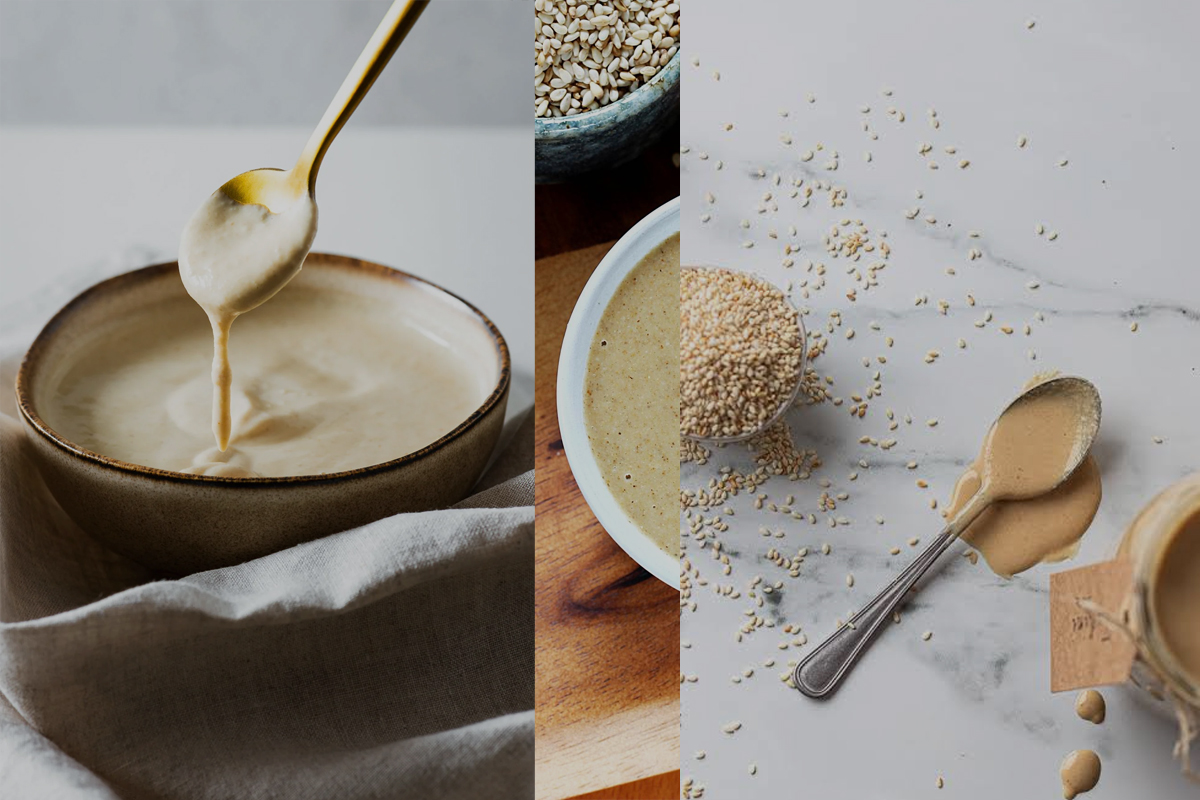
If you have ever eaten a bowl of smooth hummus or bit into a piece of falafel with a white sauce on top, you have tasted Tahhiini. Often simply spelled tahini, this is a thick, silky paste made entirely from ground-up sesame seeds.
It has a flavor that is hard to describe but easy to love. It is nutty, a little bit earthy, and has a tiny hint of bitterness that balances out sweet or salty foods perfectly. It is a staple in Middle Eastern and Mediterranean kitchens, but lately, it has become a global superstar. People are putting it in everything from morning smoothies to chocolate brownies.
In this guide, we are going to look at where this paste comes from, why it is so good for your body, and how you can master the art of making it at home with just two simple ingredients.
Table of Contents
The Origins of Tahhiini: A 5,000-Year-Old Secret
Tahhiini isn’t a new “superfood” invented by a health brand. It has been around for thousands of years. Sesame seeds are actually one of the oldest crops humans ever grew.

Historians believe that sesame farming started in India or Mesopotamia around 3000 BCE. Because the seeds are full of natural oil, they didn’t spoil easily. This made them perfect for ancient travelers and soldiers who needed high-energy food that could survive a long journey in the desert heat.
Eventually, people figured out that grinding these seeds into a paste made them even more versatile. From Ancient Persia, the love for Tahhiini spread to Israel, Turkey, Egypt, and Greece. Every culture added its own spin, but the soul of the recipe has stayed the same for centuries.
Health Benefits: Why Your Body Loves Tahhiini
Tahhiini is a “good-fat” powerhouse. It is one of those rare foods that tastes like a treat but actually helps your heart and bones.
- Healthy Fats: It is loaded with monounsaturated and polyunsaturated fats. These are the “good” fats that help keep your cholesterol levels in a healthy range.
- Protein Punch: For a plant-based food, it has a surprising amount of protein—more than many types of nuts.
- Mineral Rich: It is a fantastic source of calcium (great for bones), iron (great for energy), and zinc (great for your immune system).
- Antioxidants: It contains things called lignans, which help your body fight off inflammation and keep your cells healthy.
Because it is so dense with nutrients, you don’t need much. Just a tablespoon or two can make a meal feel much more satisfying.
Understanding Sesame Seeds: The Soul of the Paste
You can’t have great Tahhiini without great seeds. There are two main choices you have to make:
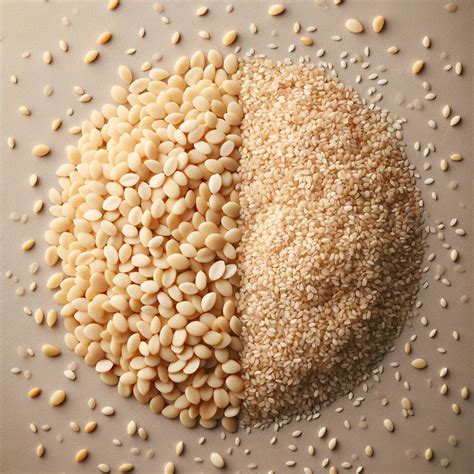
- Hulled Sesame Seeds: These have the outer “shell” or husk removed. This results in a very white, creamy, and mild-tasting paste. Most of the Tahhiini you see in stores is made this way.
- Unhulled Sesame Seeds: These keep the shell on. This version is darker, a bit more bitter, and has a lot more fiber. It’s a bit of an “acquired taste,” but many people prefer it for the extra nutrients.
Traditional vs. Modern Methods
In the old days, Tahhiini was made by stone-grinding. The seeds were toasted over a fire and then crushed between two heavy stones until the oil came out and turned the seeds into a liquid. This took a lot of work, but the slow process kept the seeds cool, which preserved the delicate flavor.
Today, we use high-powered blenders. While it’s much faster, you have to be careful not to let the motor get too hot, as heat can make the sesame oil go rancid or taste a bit “off.” Making it at home gives you the best of both worlds: modern speed with that fresh, traditional taste.
What You Need for the Perfect Batch
You don’t need a long shopping list. You only need two things:
- Sesame Seeds: 2 cups (Hulled is best for beginners).
- Neutral Oil: 2 to 4 tablespoons. Use something like grapeseed, sunflower, or even a light sesame oil. Avoid olive oil if you want a neutral taste, as its strong flavor can overpower the sesame.
- Optional: A tiny pinch of salt to make the nuttiness pop.
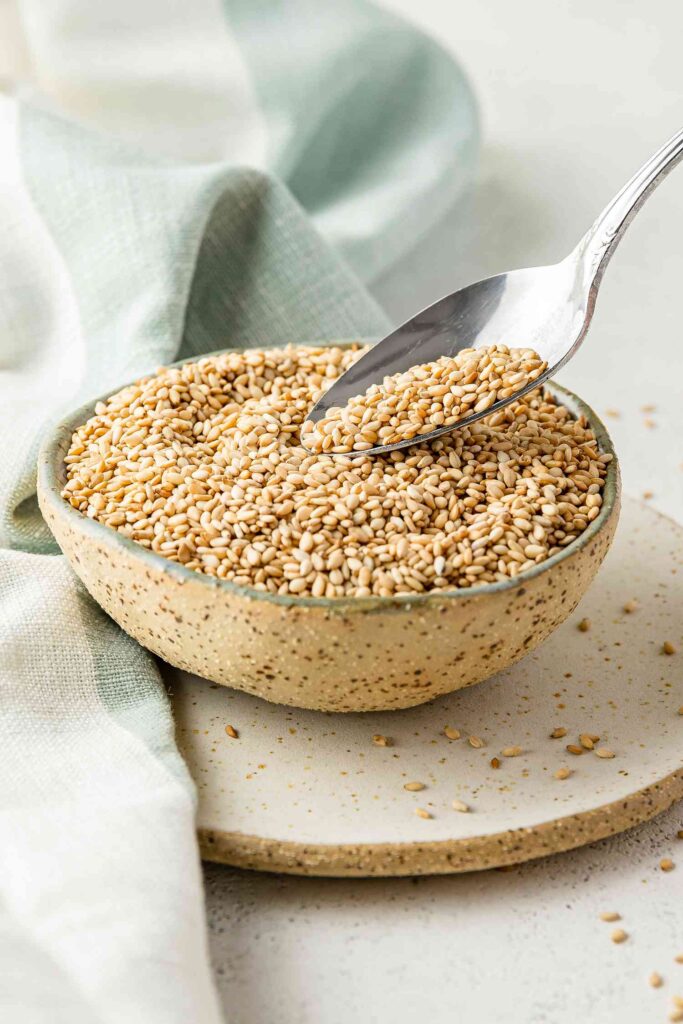
Step-by-Step Recipe: Making it at Home
Step 1: Toast the Seeds
Put your seeds in a wide, dry frying pan over medium heat. Do not walk away! Sesame seeds burn very quickly. Stir them constantly for about 5 minutes until they smell nutty and turn a very light golden color. If they turn dark brown, they will taste bitter, and you’ll have to start over.
Step 2: Let Them Cool
Spread the hot seeds out on a flat plate or baking sheet. If you blend them while they are steaming hot, the paste won’t be as smooth.
Step 3: The First Grind
Put the cooled seeds into your food processor or blender. Pulse them until they look like coarse sand or crumbs.
Step 4: Add the Oil
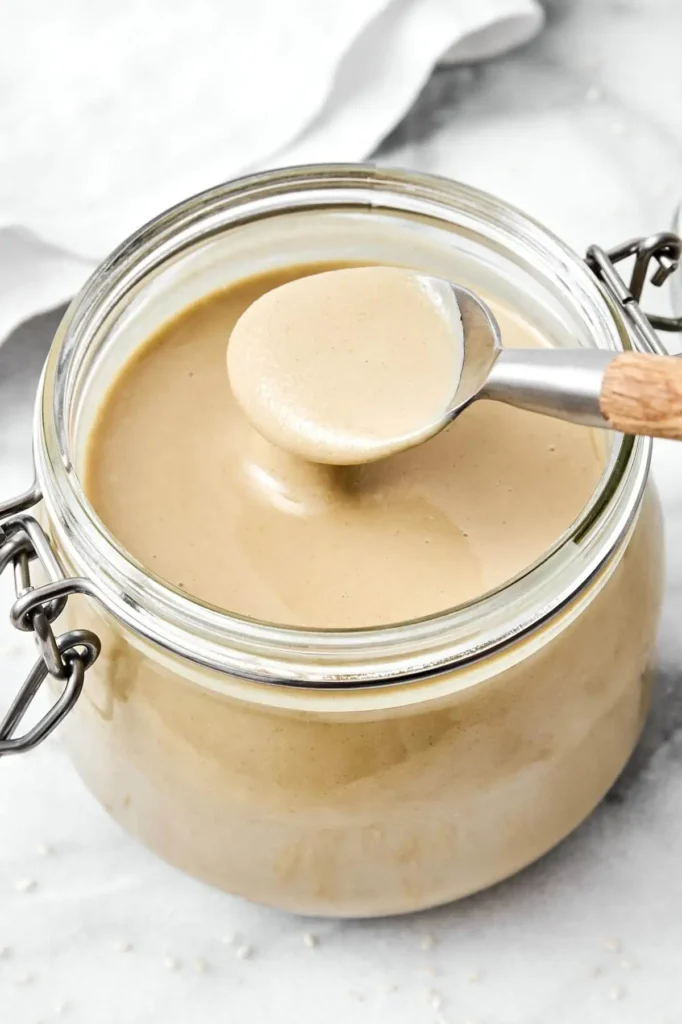
While the blender is running, slowly drizzle in the oil. You will see the crumbs suddenly turn into a smooth, flowing liquid. Keep blending for 2 to 4 minutes until it looks like melted chocolate in texture.
Step 5: Storage
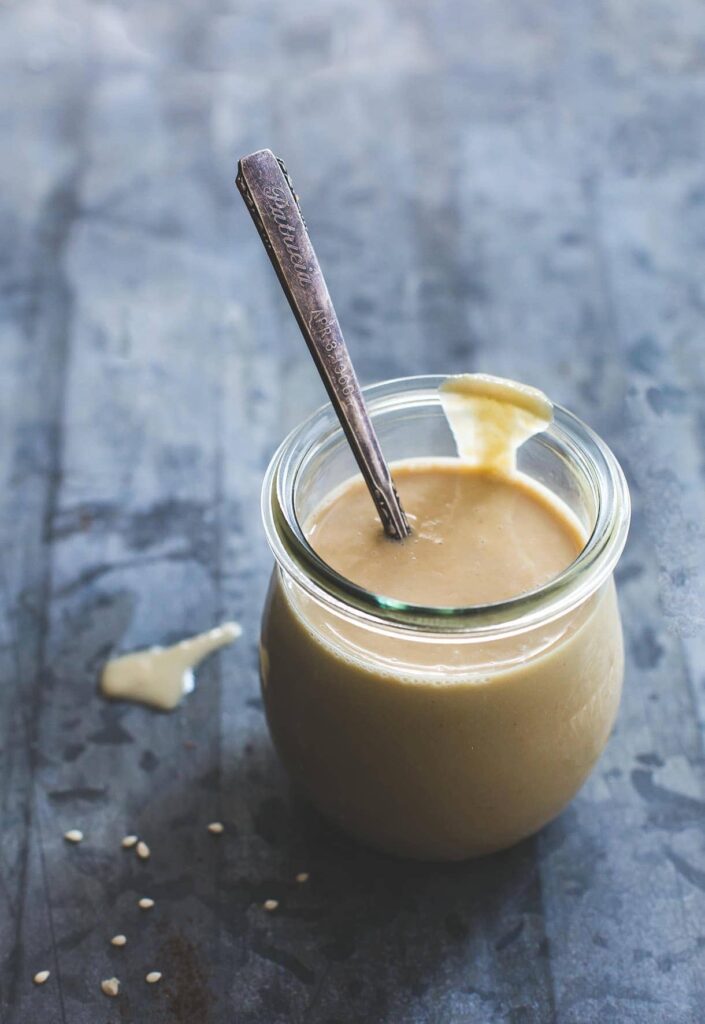
Pour your fresh Tahhiini into a glass jar. It can stay in the fridge for about a month.
Tips for a Creamy, Rich Flavor
- Blend longer than you think: If it feels grainy, keep blending. It takes a few minutes for the seeds to fully break down.
- Slightly warm the oil: If your blender isn’t very strong, warming the oil slightly before adding it can help the seeds turn into paste faster.
- Quality matters: Taste a few seeds before you start. If they taste dusty or old, your Tahhiini will too.
How to Store It
Always use an airtight glass jar. Over time, the oil will naturally separate and float to the top—this is totally normal and a sign that you didn’t use weird chemicals! Just give it a good stir with a spoon before you use it. If it gets too hard in the fridge, let it sit on the counter for 10 minutes to soften up.
Common Mistakes to Avoid
- Burning the seeds: This is the #1 mistake. Even 30 seconds too long on the stove can ruin a batch.
- Using old oil: Make sure your oil is fresh, or it will give the paste a “plastic” aftertaste.
- Not blending enough: People often stop when it looks like a thick paste. Keep going until it’s a “pourable” liquid.
Delicious Ways to Use Tahhiini
- The Hummus Secret: You can’t make real hummus without a lot of Tahhiini.
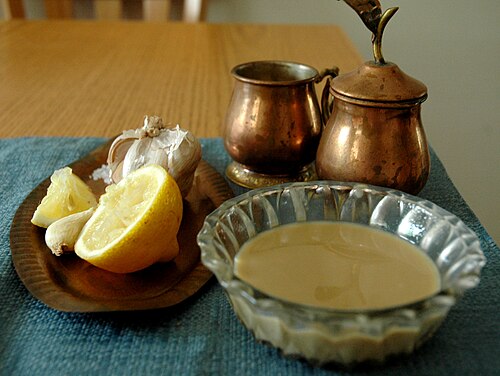
- The Lemon Sauce: Mix Tahhiini with lemon juice, a crushed garlic clove, and a splash of water. It turns into a white, creamy sauce that is incredible on grilled chicken or roasted cauliflower.
- The Breakfast Swirl: Put a spoonful on top of your oatmeal or yogurt with a little honey.
- The Dip: Use it as a dip for apple slices or dates for a healthy afternoon snack.
Tahhiini in Global Cuisines
- Middle East: Used in almost every meal, from breakfast to dessert.
- Asia: In China and Japan, sesame pastes (similar to Tahhiini) are used in cold noodle dishes and dipping sauces for hot pots.
- North America: It is now a favorite for “clean eating” and vegan baking.
Vegan & Gluten-Free Benefits
Tahhiini is a dream ingredient for anyone with dietary restrictions. It is naturally vegan and gluten-free. Because it is so creamy, vegans often use it as a replacement for cream or cheese in sauces. It is also a great nut-free alternative for schools or offices where peanuts are banned.
Pairings: What goes with Tahhiini?
- Sweet Pairings: It loves honey, maple syrup, chocolate, and cinnamon.
- Savory Pairings: It works perfectly with cumin, smoked paprika, garlic, and fresh parsley.
Tahhiini for Sweet Recipes
Don’t be afraid to use it in baking! Adding Tahhiini to chocolate chip cookies makes them soft and gives them a “grown-up” nutty flavor that isn’t as heavy as peanut butter. It also makes incredible fudge when mixed with melted chocolate and a little honey.
Starting a Tahhiini Business?
Because more people are eating plant-based, the demand for high-quality Tahhiini is growing. If you wanted to start a small business, the key is quality. Using organic seeds and unique flavors (like “Chocolate Tahhiini” or “Herbed Tahhiini”) could make you stand out at local farmers’ markets.
Sustainability: The Eco-Friendly Seed
Sesame is a very tough plant. It is drought-tolerant, meaning it doesn’t need a lot of water to grow. Compared to crops like almonds (which need a ton of water), sesame is much better for the environment. By choosing organic or fair-trade sesame, you are supporting farmers who work in harmony with the land.

Final Thoughts
Tahhiini is much more than just an ingredient for hummus. It is a nutrient-dense, ancient food that brings a unique richness to your kitchen. Whether you are drizzling it over roasted carrots or mixing it into a batch of cookies, it adds a level of flavor that is hard to beat.
Try making your own batch this weekend. Once you smell those toasted seeds and see how easy it is to make your own creamy paste, you’ll never want to go back to the store-bought jars again.
Frequently Asked Questions (FAQs)
Is Tahhiini the same as peanut butter?
No. Peanut butter is sweet and thick. Tahhiini is more savory, earthy, and usually more liquid.
Can I freeze it?
You can, but it might change the texture a bit. It’s better to just keep it in the fridge.
Is it okay for the Keto diet?
Yes! It is low in carbs and very high in healthy fats, making it a perfect Keto snack.