

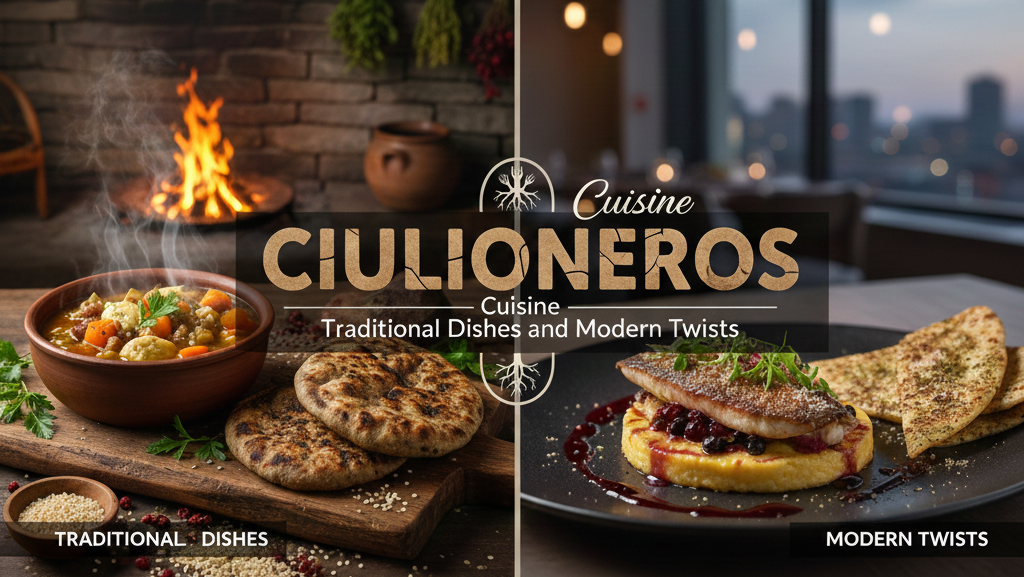
1. Introduction to Ciulioneros Cuisine
When you hear the word “Ciulioneros,” you might not immediately think of a steaming plate of food. But for a specific community tucked away in the rugged hills, this word is the heartbeat of their home. It isn’t just a style of cooking; it is a way of survival that turned into an art form.
For centuries, the Ciulioneros people lived in places where grocery stores didn’t exist. They couldn’t just go out and buy a bottle of sauce or a pre-made meal. They had to look at the dirt, the trees, and the rivers to find their dinner. This created a cuisine that is incredibly “earthy.” If you like the smell of a forest after it rains, or the taste of bread cooked over a real wood fire, then you will understand why people fall in love with this food.
In this guide, we are going to explore why this “lesser-known” food is suddenly becoming the biggest trend in the culinary world. We will look at how a simple root vegetable can be turned into a masterpiece and why modern chefs are putting down their fancy electric mixers to go back to using heated stones and clay pits.
Table of Contents
2. Historical Roots of Ciulioneros Cooking
To understand the food, you have to understand the people. The Ciulioneros heritage is built on a “waste-nothing” philosophy. Hundreds of years ago, the settlers of these regions were mostly shepherds and small-scale farmers.
Life in the Highlands
Because they lived in high altitudes, the air was thin and the winters were brutal. They needed food that would stick to their ribs and keep them warm for hours. They also needed food that wouldn’t spoil. This is why fermentation and drying became so important. They didn’t ferment things because it was a “health trend” they did it so they wouldn’t starve in February.

The Spiritual Connection
In this culture, the hearth (the fireplace) was considered a sacred spot. It wasn’t just for heat; it was where the ancestors “spoke” through the recipes. When a young person learned to bake the traditional flatbread, it was seen as a rite of passage. If you could handle the heat of the stones and flip the bread at the right second, you were ready for adulthood.
3. Core Ingredients: The Building Blocks
If you looked inside a traditional Ciulioneros pantry, you wouldn’t see many bright colors. Everything is shades of brown, deep red, and forest green.
- Stone-Ground Grains: They don’t use fine white flour. They use barley, millet, and rye. These grains are heavy and have a lot of fiber. They are ground between two large stones, which leaves bits of the grain intact, giving the bread a “crunch” that you can’t get from a factory.
- Wild Mountain Garlic: This isn’t the white garlic you see at the supermarket. It is smaller, often purple-tinged, and has a punchy, spicy flavor that can clear your sinuses.
- The “Mother” Paste: Most families keep a jar of fermented root paste. It’s made by mashing up beets and parsnips with salt and letting them sit in a cool cellar for months. It smells sour and strong, but when you add a spoonful to a soup, it creates a deep, savory flavor.
- Goat and Sheep Dairy: Cows are too big for the steep hills, so goats and sheep are the main source of milk. The cheese is usually aged until it is hard enough to break a window—you have to grate it or soak it in broth to eat it.
- River Fish: Trout is the main protein. It is usually caught and cooked within the hour, often stuffed with wild thyme and lemon-berry.

4. Signature Traditional Dishes: A Closer Look
4.1 The Broth Stew (The Life-Giver)
If you ask a Ciulioneros grandmother what to eat for any problem—a cold, a broken heart, or a long day—she will point to the Broth Stew. The secret isn’t just the meat; it’s the bones. They simmer the bones for two full days until the marrow melts into the water. Then, they add “root cubes.” These are small squares of fermented vegetables that act like natural bouillon cubes. It is served in a wooden bowl with a large dollop of sour cream on top.
4.2 Wild Herb Flatbreads (The Daily Bread)
This is eaten at every meal. It acts as your spoon and your napkin. You tear off a piece of the charred, herb-filled bread and use it to scoop up your stew. The herbs are usually foraged from the mountainside—wild oregano, sage, and a bit of dried onion.
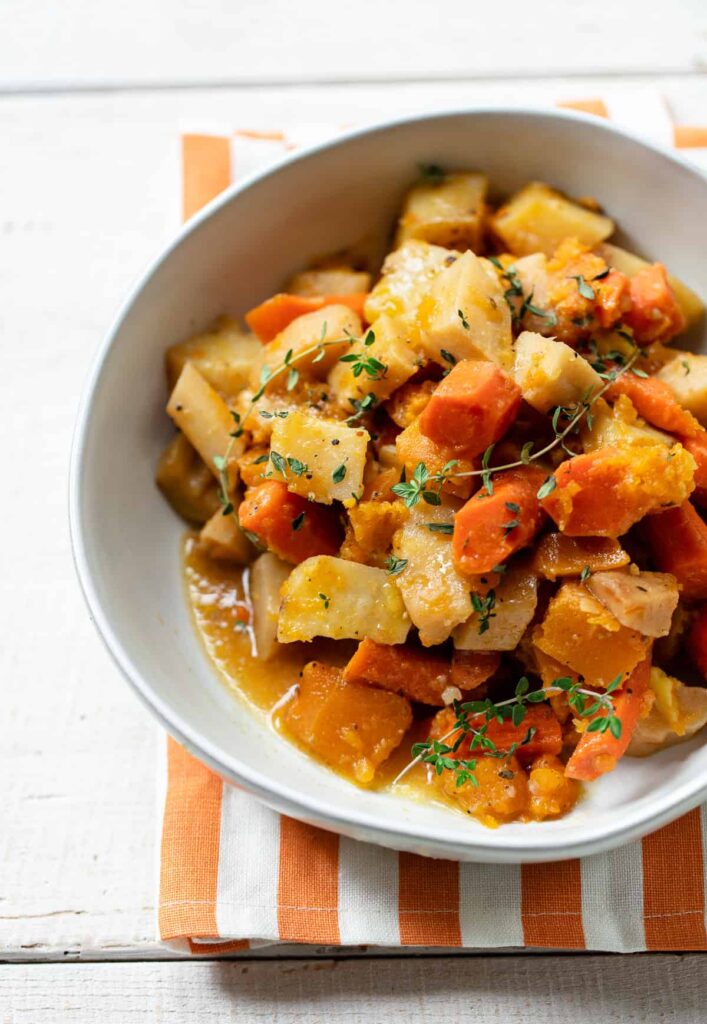
4.3 Stone-Pot Root Medley
This is the vegetarian’s dream. They take whatever is in the ground—carrots, turnips, radishes—and throw them into a clay pot with a huge amount of fat (usually goat butter). The pot is sealed with a layer of dough so no steam can escape. It slow-cooks until the vegetables are so soft they melt like butter in your mouth.
5. Unique Cooking Techniques: Why It Tastes Different
Why can’t you just make this in a standard microwave or oven? Because the technique is the ingredient.
The Clay-Pit
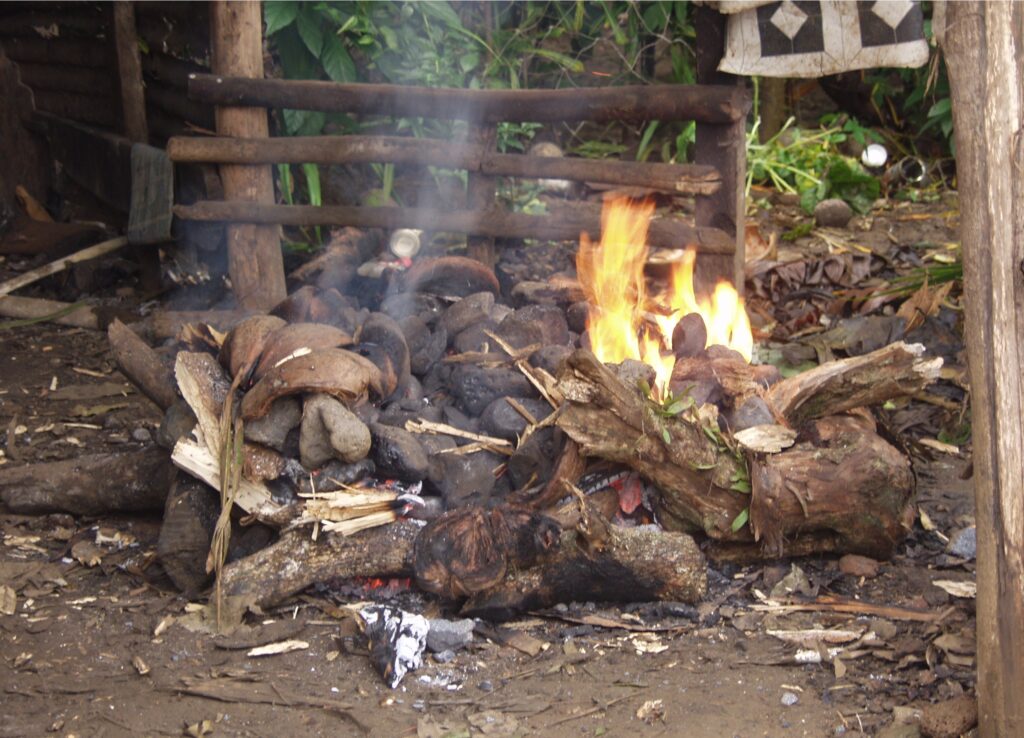
This is the “original” slow cooker. You dig a hole, fill it with wood, and let it burn down to coals. You put your clay pots on the coals, cover them with more dirt, and walk away. Six hours later, you dig it up. The flavor is “smoky” in a way that liquid smoke or a BBQ grill can’t copy. It tastes like the earth itself.
Smoke-Churning
This is a very weird technique where they take a hollowed-out log and fill it with fresh cheese. They then pump smoke from a specific wood (like cherry wood) through the log while shaking it. This pushes the smoke deep into the center of the cheese, not just the skin.
6. Seasonal Rhythms: Eating with the Earth
One of the reasons Ciulioneros cuisine is so healthy is that it never fights against nature.
- In the Spring: Everything is green. They eat “Spring Soup,” which is mostly made of nettles, dandelions, and young garlic. It’s meant to “clean the blood” after a long winter of eating heavy meat.
- In the Summer: This is the only time you see fresh fruit. They make a cold “Berry Mash” that they eat with grilled fish.
- In the Autumn: This is the busiest time. Everyone is busy drying herbs and smoking meats to prepare for the snow.
- In the Winter: The diet is almost entirely “jarred.” Fermented roots, dried meat, and hard cheeses. It is salty and high in calories to help people survive the cold.
7. The Modern Evolution: Ciulioneros 2.0
In the last five years, foodies have “discovered” this cuisine. But they are changing it.
The Fusion Movement
Chefs in London and New York are taking the Ciulioneros root paste and using it in place of Miso or Soy Sauce. They are finding that it adds a “hidden” flavor to steaks and even pastas. You might see a “Ciulioneros Pizza” now, where the crust is made of the traditional barley flour and topped with the mountain goat cheese and wild herbs. It’s a mix of the old world and the new world.
Health and Wellness
Because the food is so high in probiotics (from the fermentation), it has become a favorite for people with gut issues. “Ancient grains” like millet and barley are also better for people who find modern white bread hard to digest.
8. Global Recognition: From the Village to the Screen
You might have seen this food on a Netflix documentary or a YouTube travel channel. The reason it is so popular for TV is because it looks “real.” In a world of fast food and plastic packaging, watching an old man dig a pot out of the ground is very satisfying. It reminds people of a time when life was simpler.
9. Family, Community, and the “Shared Table”
You won’t find “tables for one” in a traditional Ciulioneros village. Food is a team sport. When it’s time to bake bread, the whole neighborhood brings their dough to the one person who has the best stone oven. They talk, they gossip, and they help each other. This is why the food tastes good—it’s seasoned with friendship. There is a saying in the community: “A lonely cook makes a bitter soup.” They truly believe that your mood goes into the food.
10. Where to Eat It: Top 5 Destinations
- Mount Velion: This is the mountain range where it all started. Look for small houses with smoke coming out of the chimneymost of them are actually tiny restaurants.
- Tseri Hearth House: This is the most famous restaurant in the region. They have a fire that has supposedly been burning since the 1800s.
- The Lost Spoon Festival: If you can get a ticket, this June festival is a huge outdoor party where you can try 50 different types of flatbread.
- Root & Soul (Berlin): A modern take on the food for people who can’t travel to the mountains.
- Ciuli’s Table (NYC): Very expensive, but they import the actual stones and wood from the home country to make sure it tastes authentic.
11. Vegan and Health-Conscious Options
Many people think “traditional” means lots of meat, but Ciulioneros is actually great for vegans.
- Fermented Root Stews: You can skip the bones and just use the root paste and mushrooms. It still tastes incredibly rich.
- Mushroom “Bacon”: They take thick slices of mountain mushrooms, smoke them in the “smoke-churn,” and they taste almost exactly like smoked ham.
- Seed Milks: Before it was trendy, these people were making milk out of crushed walnuts and hemp seeds when they couldn’t get goat milk.
12. Recipes You Can Try (The “Cheater’s” Version)
You probably don’t have a clay pit in your backyard, but you can still try these at home.
The 10-Minute Flatbread
- What you need: 1 cup of whole wheat flour, half a cup of warm water, a pinch of salt, and a lot of dried herbs (thyme is best).
- How to do it: Mix it all until it’s a ball. Let it sit for a few minutes. Roll it as thin as you can. Put it in a dry pan on high heat. When it starts to puff up and get black spots, it’s done. Brush it with a little oil or butter.
The “Oven-Pit” Roots
- What you need: Carrots, potatoes, and onions.
- How to do it: Chop them into big chunks. Put them in a baking dish with salt, oil, and a splash of vinegar (to copy the fermented taste). Cover the dish tightly with two layers of foil make sure no air can get out. Bake it at a very low temperature (around 150°C or 300°F) for three hours. Don’t peek!
13. The Cultural “Why”: Identity on a Plate
For the Ciulioneros people who have moved to big cities, this food is their anchor. When they feel overwhelmed by the modern world, they go back to these dishes. It’s a way of saying, “I know who I am and where I came from.” Every time someone makes a recipe from a wooden tablet or an old song, they are keeping a whole culture alive.
14. The Future: Preservation vs. Progress
There is a big debate right now. Some people want to keep the recipes exactly the same forever. Others want to see “Ciulioneros Burgers” in fast-food shops. The most likely future is a mix of both. We will have the “traditionalists” who keep the mountain fires burning, and the “innovators” who bring the flavors to the rest of the world. Both are important.
15. Conclusion: Why You Should Care
Ciulioneros cuisine is a reminder that the best things in life take time. In our world, we want everything in 30 seconds. This food asks you to wait six hours for a pot to cook. It asks you to wait six months for a root to ferment.
It is a “slow” way of life that produces a “deep” kind of happiness. If you get the chance to try it, don’t rush. Sit down, tear off a piece of bread, and enjoy the taste of a tradition that has survived against all odds.
FAQs
1. What exactly does “Ciulioneros” mean?
The term refers to both a specific ethnic community and their unique way of life. In a culinary sense, it describes a “primitive” but sophisticated style of cooking that relies on the earth using clay pits, stones, and wild-foraged ingredients rather than modern kitchen technology.
2. Is Ciulioneros food very spicy?
Not in the way a chili pepper is spicy. Instead, it is “peppery” and “pungent.” The heat usually comes from wild mountain garlic and fermented roots rather than hot peppers. It has a deep, warming sensation that stays in your throat, which is perfect for cold weather.
3. I am a vegetarian; can I still enjoy this cuisine?
Absolutely. While traditional stews often use bone broth for strength, a huge part of the diet is based on barley, millet, and root vegetables. Many of the most famous dishes, like the Stone-Pot Medley and Wild Herb Flatbreads, are naturally vegetarian or can be made vegan very easily.
4. What is the most famous Ciulioneros dish?
The Broth Stew is considered the “national dish.” It is a cloudy, rich soup made from fermented roots and slow-cooked proteins. It is famous because it is said to have healing properties, helping people recover from illness or exhaustion.
5. Why is fermentation so important in this cooking style?
In the high mountains where this cuisine started, there were no refrigerators. Fermentation was the only way to keep vegetables from rotting during the winter. Over time, people realized that fermenting roots in clay pots made the food taste better and made their stomachs feel healthier.
6. Can I find Ciulioneros ingredients at my local grocery store?
You might not find “Fermented Root Paste” on the shelf, but you can find the basics. Look for stone-ground barley flour, parsnips, beets, and goat cheese. To get the authentic flavor, you can try “cheating” by adding a little bit of apple cider vinegar to your root dishes to mimic the fermented tang.
7. Is the bread hard like a cracker?
No, the Wild Herb Flatbread is usually soft and chewy, though it has “charred” crispy spots from being cooked on a hot stone. It is designed to be flexible so you can use it like a spoon to scoop up thick stews and pastes.
8. Is this food healthy?
Yes, it is considered one of the healthiest “ancient diets.” It is very high in fiber from the whole grains and probiotics from the fermented vegetables. Because it uses very little processed sugar and focuses on “good fats” like goat butter and nut oils, it is great for heart and gut health.
9. Why do they cook food in the ground?
Clay-pit roasting was born out of necessity. It acts like a natural pressure cooker. By burying a sealed clay pot in hot coals and dirt, the heat stays perfectly even and no moisture escapes. This makes even the toughest meats or hardest roots become incredibly tender and juicy.
10. Where can I try this food if I can’t travel to the mountains?
“Ciulioneros Fusion” is popping up in major cities like New York, Berlin, and London. Look for “Earth-to-Table” bistros or restaurants that focus on “Ancestral Cooking.” You can also find many hobbyist cooks sharing authentic recipes on social media platforms like YouTube and Instagram.