


The human body speaks a complex language. The steady beat of the heart, the whisper of breath, the rhythmic churn of the gut these are the essential stories doctors have relied on for centuries. For just as long, the stethoscope has been the key to listening.
But medicine changes fast. The digital era demands tools that are not just sensitive, but smart. That is where Fonendi steps in.
Fonendi is the smart essential tool for internal sound diagnosis. It takes the simple, trusted act of listening and transforms it with modern technology. It’s not just an upgrade to the stethoscope; it’s a whole new way for clinicians to hear, see, and understand the body’s internal signals.
Table of Contents
1. Why We Need Smart Listening Now
A doctor’s ears are their first diagnostic tool. But even the sharpest human ear can be limited by noisy environments, faint sounds, and the simple stress of a busy clinic.
Modern healthcare faces major challenges:
- Noise and Distortion: Every emergency room or busy clinic has background noise that makes clear listening difficult.
- Need for Objectivity: Diagnosing a faint heart sound relies entirely on a doctor’s subjective experience.
- Telehealth Gap: Standard stethoscopes are useless when the patient is miles away.
Fonendi was created to solve these problems, offering a clear, objective, and connected way to practice auscultation (listening to internal body sounds).
2. What Exactly is Fonendi?
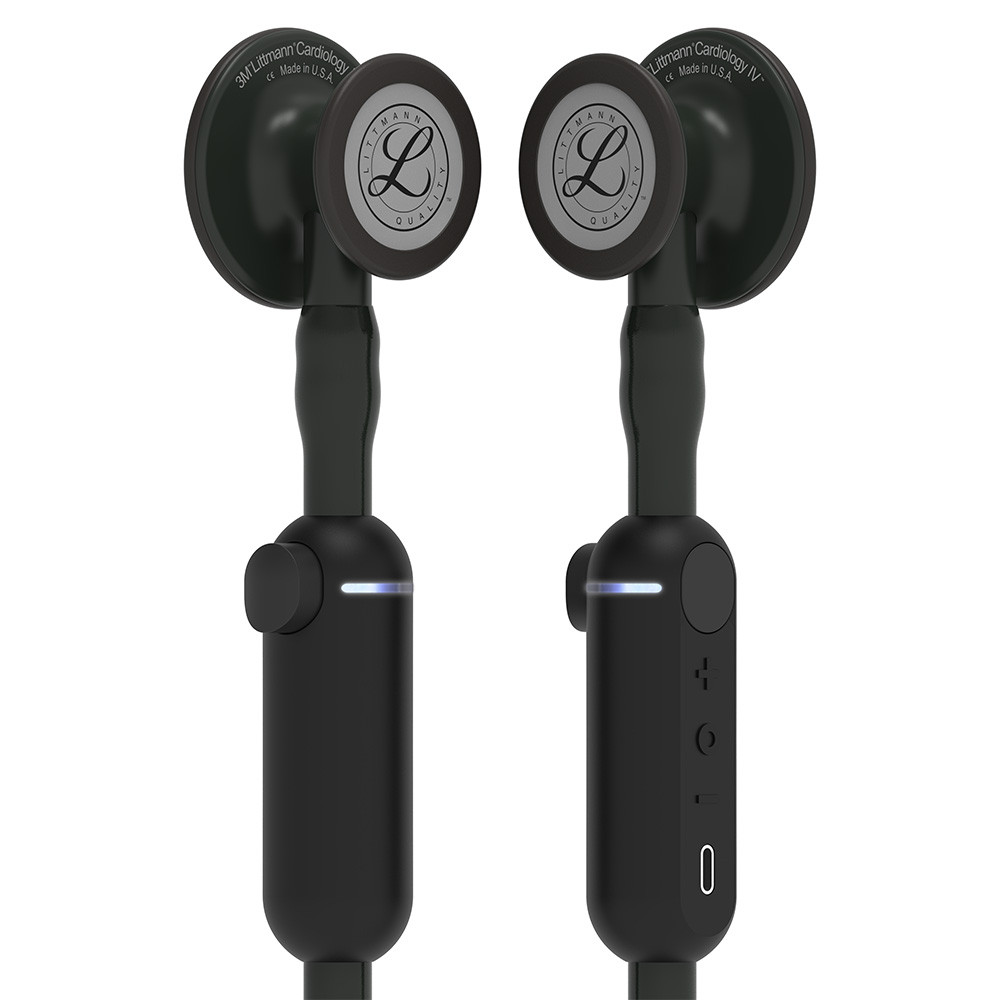
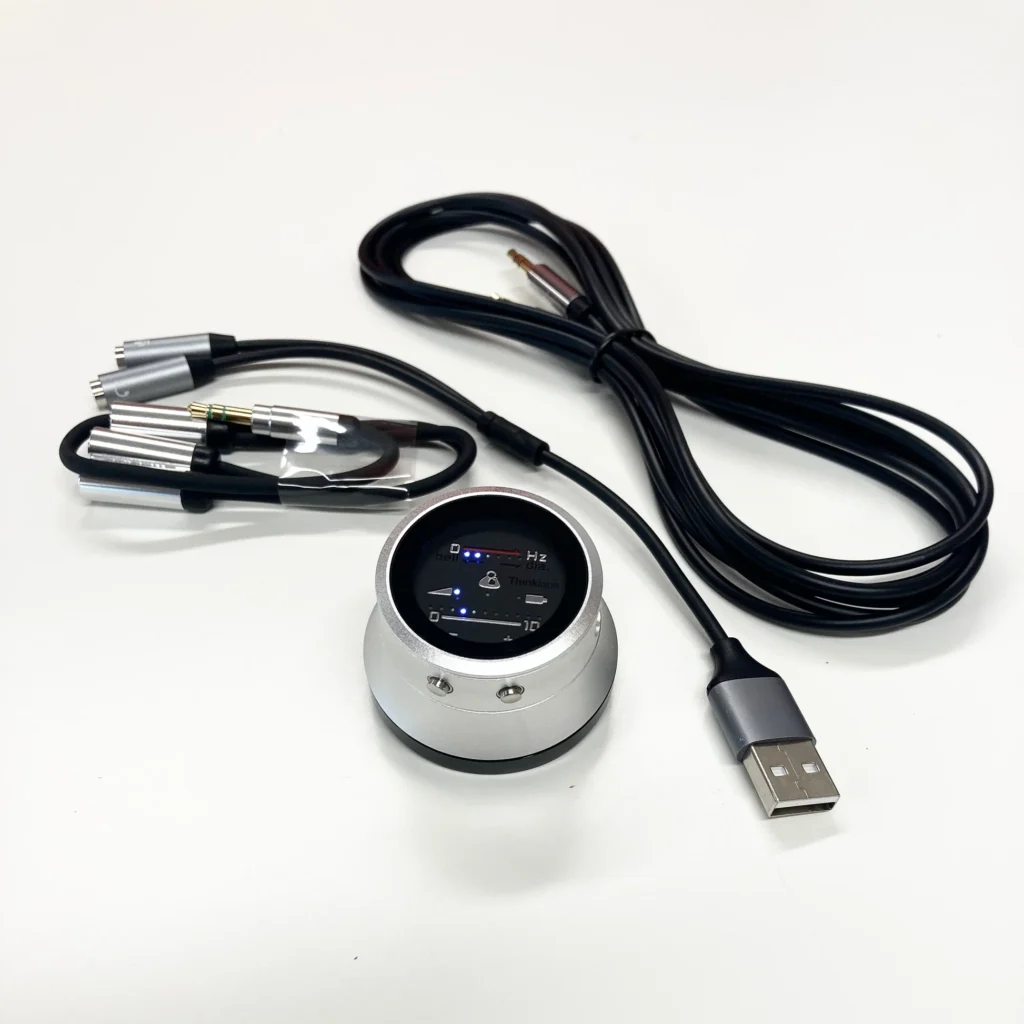
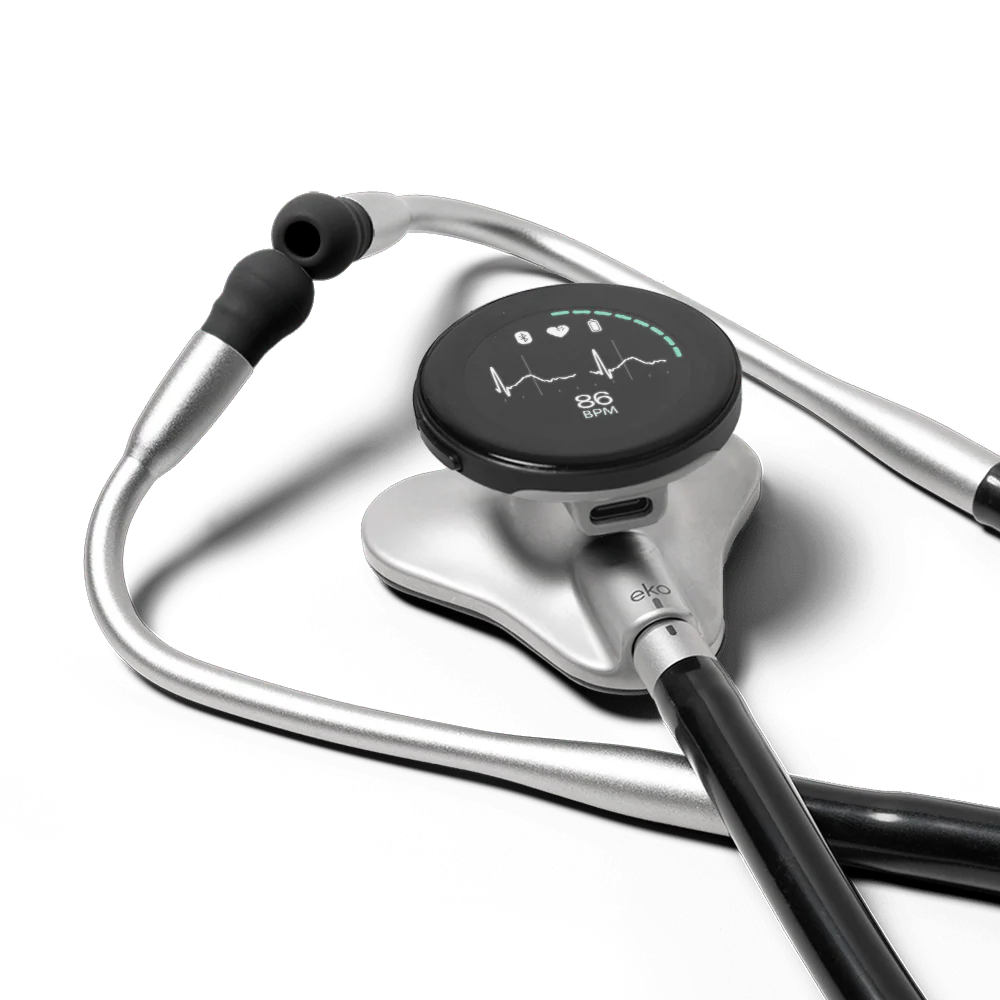
Fonendi is a digital auscultation device. Think of it as a stethoscope that doesn’t just amplify sound; it turns sound into storable, shareable data.
It is a sleek, handheld tool designed to capture the sounds of the heart, lungs, and gut. But the crucial difference is what it does after capturing the sound:
- Records and Visualizes: It turns the sound into a picture (a waveform).
- Analyzes: It uses algorithms to help flag unusual findings.
- Stores: It saves the data to the cloud for review.
Whether a doctor is working in a hospital or running a virtual clinic, Fonendi empowers them with clarity, accuracy, and smart diagnostics.
3. The Journey from Wood to Wi-Fi: Listening Evolves
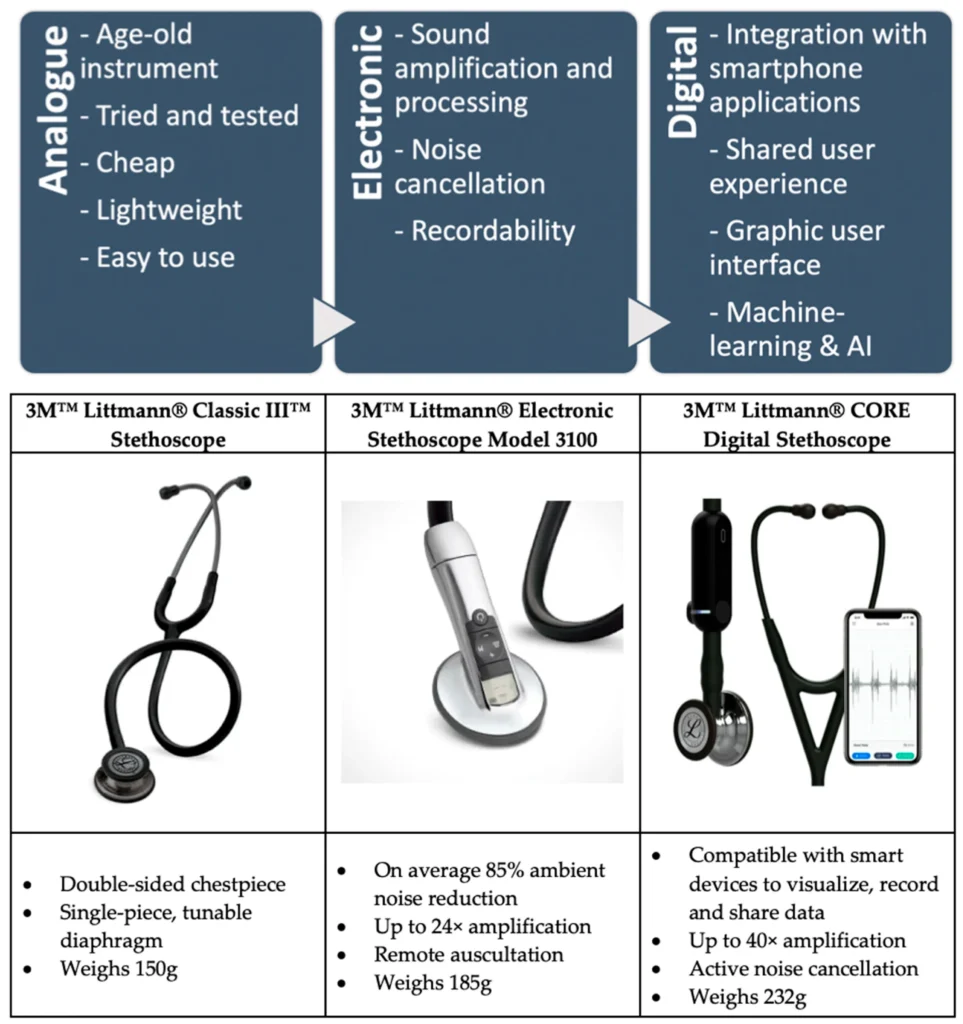
The story of listening to the body is a story of medical progress.
- 1816: The French physician René Laennec invents the first stethoscope—a simple wooden tube.
- 1900s: Rubber tubing and acoustic improvements allow sound to travel better, but diagnosis still relies only on human hearing.
- Early 2000s: The first digital stethoscopes appear, allowing for sound amplification and basic recording.
- Today: Fonendi represents the current leap, bringing together digital sensors, machine learning, and secure wireless transmission into one device.
The tool has moved from simple amplification to sophisticated understanding. It’s not just listening anymore—it’s intelligent analysis.
4. How Fonendi Works (The Simple Mechanism)
At its heart, Fonendi is a simple process made powerful by complex technology.
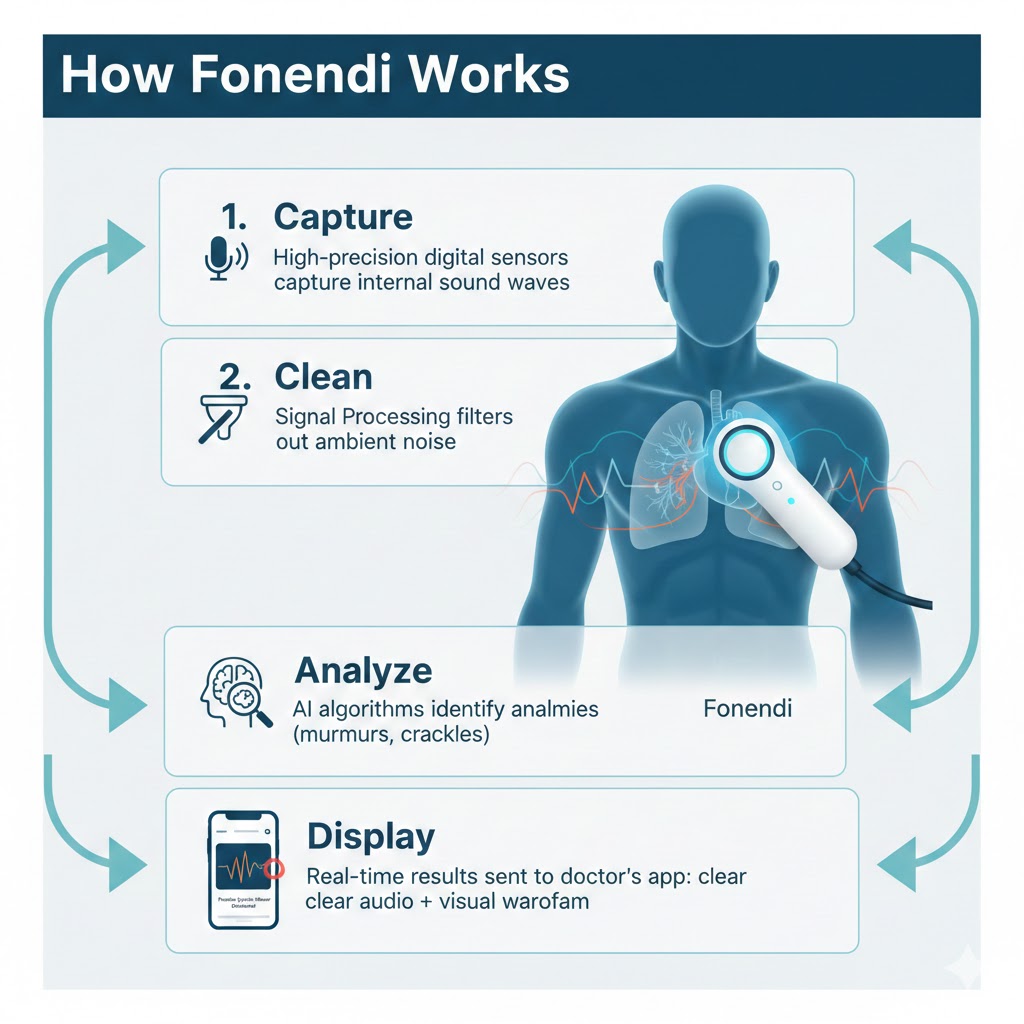
When a doctor places the device on the body, a series of steps happen almost instantly:
- Capture: High-precision digital sensors capture the internal sound wave.
- Clean: Signal Processing algorithms instantly filter out ambient noise and interference (like traffic or ward chatter).
- Analyze: The processed sound is checked against an internal database of known normal and abnormal sound patterns.
- Display: The results the clear sound, the visual waveform, and any flagged anomalies are sent instantly via Bluetooth to the doctor’s phone or tablet app.
This intelligent interface turns simple body signals into immediate, actionable medical insights.
5. The Essential Features That Make Fonendi Smart
Fonendi is loaded with specific features designed to make a doctor’s life easier and diagnosis more reliable.
- Perfect Clarity: Noise Cancellation Technology ensures the only sound you hear is the patient’s internal signal, no matter how loud the room is.
- Visual Check: Visual Sound Mapping turns every heartbeat and breath into a clear, visible waveform on the screen. Doctors can see what they hear, which is invaluable for confirming subtle issues.
- Tailored Listening: Dedicated modes for Heart, Lung, and Bowel sounds apply specialized digital filters to best capture the specific frequencies for that part of the body.
- Instant Insight: Real-Time AI runs the sound through powerful software to help detect patterns like heart murmurs or rales (crackles) in the lungs, giving the doctor instant feedback.
- Share and Store: The device handles data sharing and reporting easily, allowing audio and reports to be exported for patient records in one simple tap.

6. A True Comparison: Fonendi vs. The Old Stethoscope
The difference between a traditional stethoscope and Fonendi is like comparing a pencil and paper to a powerful laptop.
| Feature | Fonendi (The Smart Tool) | Traditional Stethoscope (The Acoustic Tool) |
| Sound Output | Digital, Amplified, and Adjustable | Acoustic Only (Fixed Volume) |
| Noise Filtering | Advanced Digital Signal Processing | Limited (Relies on a tight seal) |
| Recording | Yes, full-session audio and data | No |
| Analysis | Yes, AI assistance flags abnormalities | No, relies 100% on human ear |
| Data History | Cloud-based, searchable patient record | None |
| Telehealth Use | Seamless, live audio and waveform streaming | Not applicable |
Fonendi isn’t just a tool; it’s a diagnostic assistant that backs up the doctor’s judgment with objective data.
7. Real-World Applications in Patient Care
The versatility of Fonendi means it is useful across almost every medical field.
- Cardiology: The visual waveform patterns help in the early detection of arrhythmias (irregular rhythms) and complex heart murmurs that might be missed by simple listening.
- Pulmonology: It clearly distinguishes between types of abnormal breath sounds, such as wheezing (common in asthma) and rales/crackles (suggesting fluid or infection).
- Gastroenterology: It accurately tracks the patterns of bowel sounds, providing early warnings for issues like blocked intestines.
- Emergency Medicine: In noisy, chaotic environments like an ambulance or ER, its clarity allows for quick, reliable triage and diagnosis.
- Rural Clinics: It brings advanced diagnostic power to underserved areas, allowing local practitioners to capture high-quality data that can be shared with distant specialists.
8. The Power of AI and Algorithms
The real smarts in Fonendi come from its Artificial Intelligence engine. This engine is constantly learning and improving.
The AI uses sophisticated Deep Learning Models trained on tens of thousands of real medical sound recordings from diverse patients worldwide. This allows it to:
- Pattern Recognition: Identify tiny irregularities in sound that correspond to specific conditions.
- Instant Feedback: Give doctors suggestions like “Possible Systolic Murmur Detected” in real-time, boosting diagnostic confidence.
- Reduce Human Error: Act as a reliable second opinion, especially when the doctor is tired or distracted.
9. Treating Patients from Afar: Telehealth Integration
For telemedicine and remote care, Fonendi completely removes the barrier of auscultation.
When a doctor performs a video consultation, Fonendi ensures:
- Live Audio Streaming: High-fidelity internal body sounds are streamed to the remote physician.
- Simultaneous Waveform Sharing: The doctor sees the visual representation of the sound as they hear it.
- Clinician-to-Clinician Consults: A primary care doctor can instantly share a patient’s actual heart sound with a specialist miles away.
Now, listening to the patient is no longer a limitation, even when the consultation is virtual.
10. Fonendi in Medical Schools and Training
Fonendi is rapidly transforming how new doctors and nurses are educated. Medical training becomes immersive and highly accurate.
- Real-World Data: Students can record and replay rare or textbook examples of sounds, like a specific valve problem or a difficult-to-hear breath sound.
- Visual Learning: Professors can visually annotate waveform displays to show students exactly what the sound looks like and where the anomaly is located. [Image illustrating a normal heart waveform vs an abnormal heart murmur waveform]
- Interactive Simulations: Training exercises can incorporate real patient data, ensuring students practice on genuine findings, not just generic simulations.
11. Accuracy: Hearing the Nuances Humans Might Miss
The precision engineering inside Fonendi ensures it captures body sounds with incredible fidelity, overcoming the limitations of the human ear.
The device is built to detect:
- Low Frequencies: Sounds as low as 20Hz, which are common in faint bowel sounds.
- High Frequencies: Sounds up to 2kHz, crucial for hearing the high pitch of certain cardiac valves.
This wide range, combined with consistent reproducibility and minimal distortion, means Fonendi captures critical nuances that even an experienced doctor might miss on a standard stethoscope.
12. Bringing Hospital-Grade Care Home: Remote Monitoring
Fonendi is an essential tool for Remote Patient Monitoring (RPM) and chronic care.
Patients dealing with long-term heart or lung conditions can be monitored daily by home health providers. The device can:
- Capture daily sound data from the patient at home.
- Set automated alerts for physicians if the AI detects an irregular finding (like fluid accumulation in the lungs).
- Send the sound data to the physician securely and instantly.
This essentially brings hospital-grade auscultation right into the patient’s home, allowing doctors to intervene much earlier.
13. Safety and Trust: Compliance in a Digital World
Trust and patient privacy are paramount, especially with digital health records. Fonendi is built to meet the highest global standards:
- It complies with FDA and CE medical device standards.
- All data transmission uses military-grade encryption to ensure full compliance with privacy laws like HIPAA and GDPR.
- Fonendi integration allows for secure linking with Electronic Health Records (EHR) systems, ensuring all diagnostic findings are immediately documented and protected.
14. User Stories: Doctors and Nurses Share Their Experience
The best proof of the tool’s value comes from the frontline practitioners who use it every day.
Dr. Elena R., Pulmonologist: “The clarity, especially when listening for diminished breath sounds in larger patients, is a huge step up. The ability to see the sound wave gives me an extra layer of certainty I never had before.”
Nurse Practitioner Marco V., Home Health: “I can capture a patient’s heart rhythm in their living room and send it instantly to their cardiologist. That speed of communication and accuracy has significantly reduced emergency calls.”
15. Looking Ahead: The Future of Smart Diagnosis
The journey for Fonendi is far from over. The future aims for seamless integration and even greater predictive power:
- Integrated Suggestions: The AI will offer more advanced diagnostic suggestions based on the sound combined with the patient’s history from the EHR.
- Detecting Rare Conditions: Using vast amounts of Machine Learning data to flag even the rarest of cardiac or respiratory conditions.
- Global Health Impact: Serving as an accessible, high-tech diagnostic tool for global health missions and Emergency Response in disaster zones.
Fonendi is not just the future of diagnosis; it is the future of connected, intelligent patient care.
16. Final Thoughts: The Revolution in Listening
Medicine is advancing rapidly, and our essential tools must evolve too. Fonendi is more than a stethoscope; it’s a smart, responsive, and intelligent partner in patient care.
Whether you’re saving lives in an ICU, training future doctors, or bringing care to remote areas Fonendi empowers you with precision, speed, and confidence.
Embrace the smart essential tool for internal sound diagnosis. Embrace Fonendi.